Urban Builders in London: Navigating City-Specific Challenges


Understanding the Complex Landscape of Urban Construction
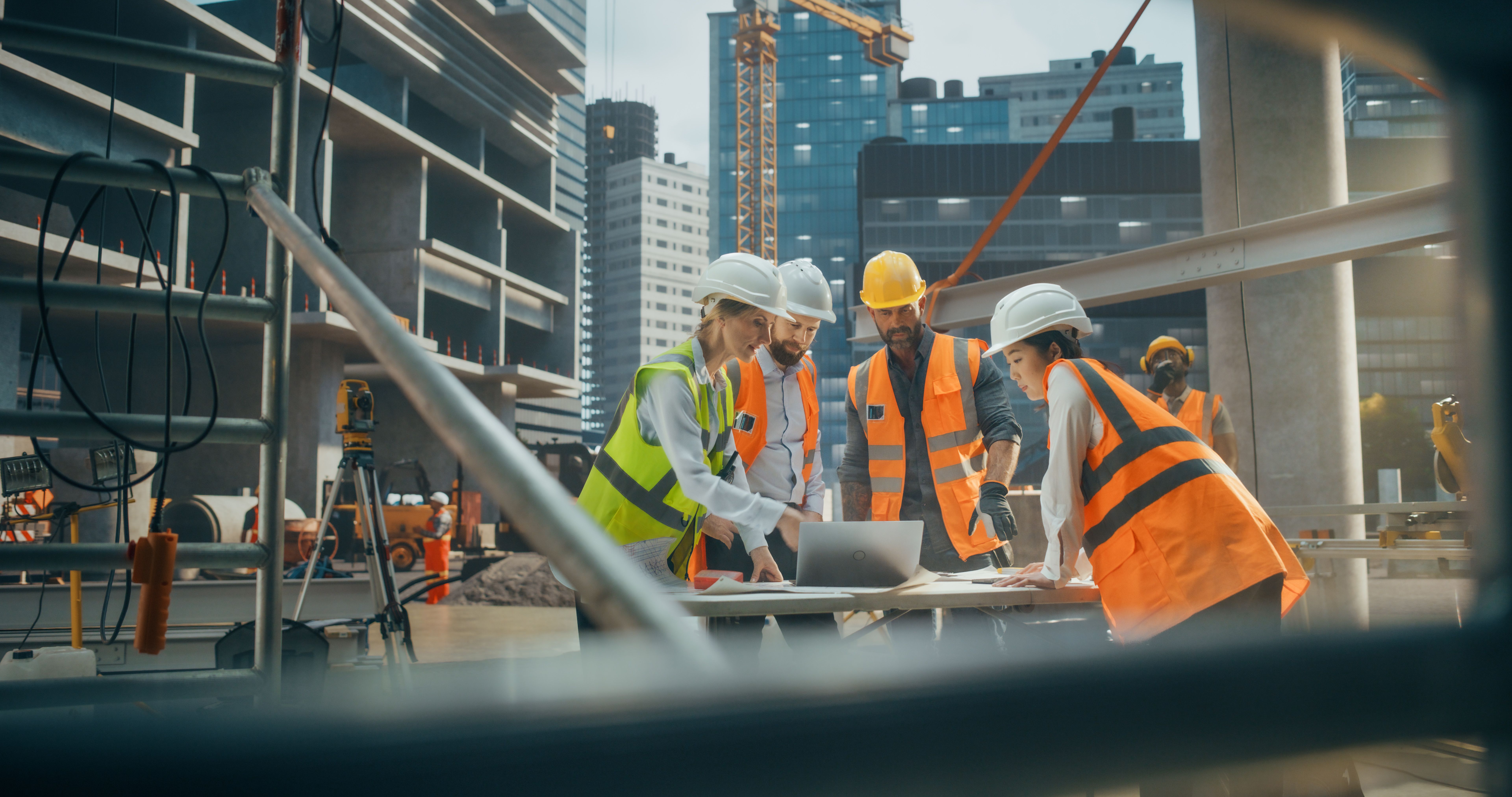
Urban builders in London face a unique set of challenges that distinguish their work from suburban or rural construction. The city’s dense population, historical architecture, and stringent regulations create a complex landscape for any construction project. Navigating these challenges effectively requires a deep understanding of both the logistical and regulatory aspects of building in a bustling metropolis.
London’s rich history means that builders often work near or even on sites of significant historical importance. This requires careful planning and sometimes collaboration with historians and conservationists to ensure that new developments respect the city’s heritage. Balancing modern needs with historical preservation is a delicate task that London builders must master.

Logistical Challenges in a Busy Metropolis
One of the most pressing challenges for urban builders in London is managing logistics in a densely populated area. Traffic congestion can significantly delay the delivery of materials and movement of heavy machinery. Builders must carefully schedule deliveries and work hours to minimize disruptions and comply with local traffic regulations.
Additionally, space constraints in the city mean that builders often have to work in confined areas. This requires innovative solutions for storage and staging of materials, as well as the use of specialized equipment that can operate in smaller spaces. Efficient planning and coordination are crucial to overcoming these logistical hurdles.

Regulatory Compliance: A Complex Maze
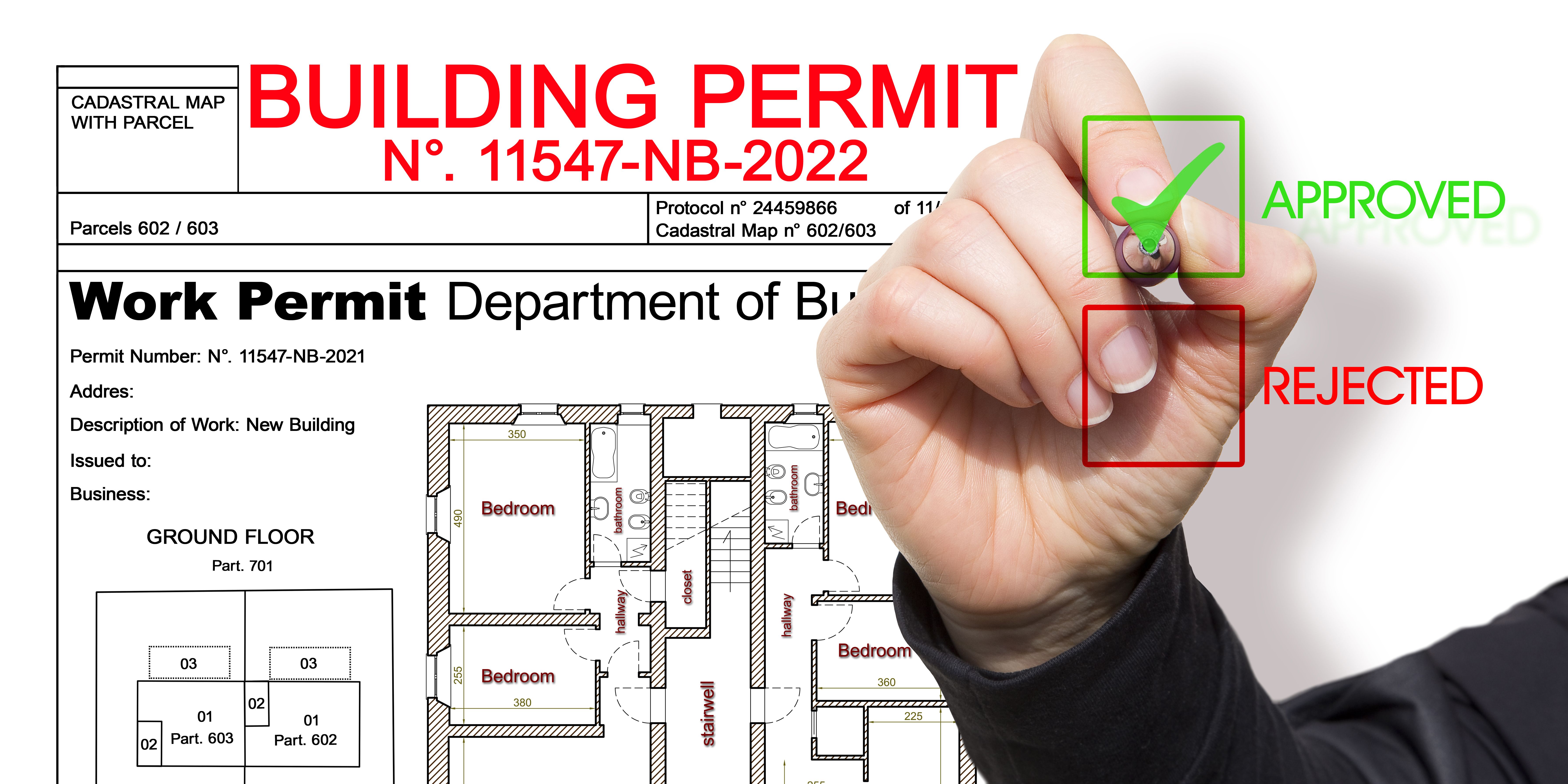
Construction in London is subject to a wide array of regulations that ensure safety, environmental protection, and preservation of historical sites. Builders must navigate this complex regulatory environment to obtain necessary permits and approvals. This often involves working closely with local government bodies and adhering to strict guidelines.
Understanding the intricacies of these regulations is essential for urban builders. Failure to comply can result in significant delays, fines, or even project shutdowns. Therefore, having a dedicated team to manage compliance and liaise with authorities is a crucial component of successful urban construction projects.
Innovative Solutions for Sustainable Building
As environmental concerns become increasingly important, urban builders in London are adopting sustainable building practices. This includes the use of eco-friendly materials, energy-efficient designs, and waste reduction strategies. Builders are often required to meet specific sustainability standards to align with the city’s environmental goals.
Integrating green technologies, such as solar panels and energy-efficient heating systems, is becoming more common in urban construction. These innovations not only reduce the environmental impact of new buildings but also offer long-term cost savings for developers and occupants.

Collaboration and Community Engagement
Successful urban construction projects in London also depend on effective collaboration and community engagement. Builders must work with architects, engineers, and local communities to ensure that projects meet the needs and expectations of all stakeholders. This often involves public consultations and transparent communication to address any concerns or objections.
Building strong relationships with the community can facilitate smoother project execution and foster goodwill. By involving local residents in the planning process, builders can create developments that enhance the urban environment and meet the needs of the community.

Embracing Technological Advancements
Technology plays a vital role in modern urban construction. The use of Building Information Modeling (BIM) and other digital tools allows builders to design and plan projects with greater precision and efficiency. These technologies help identify potential issues before construction begins, saving time and resources.
Furthermore, advancements in construction technology, such as drones and 3D printing, are making it easier for builders to overcome some of the challenges associated with urban construction. These tools enable builders to work more efficiently and safely in complex urban environments.